
Learn. Build. Succeed.
Your Welding Journey Starts Here.
Welcome to the American Welding Academy Blog — your source for welding insights, training tips,
student success stories, and industry news. Stay informed, stay inspired, and keep building your future one weld at a time.
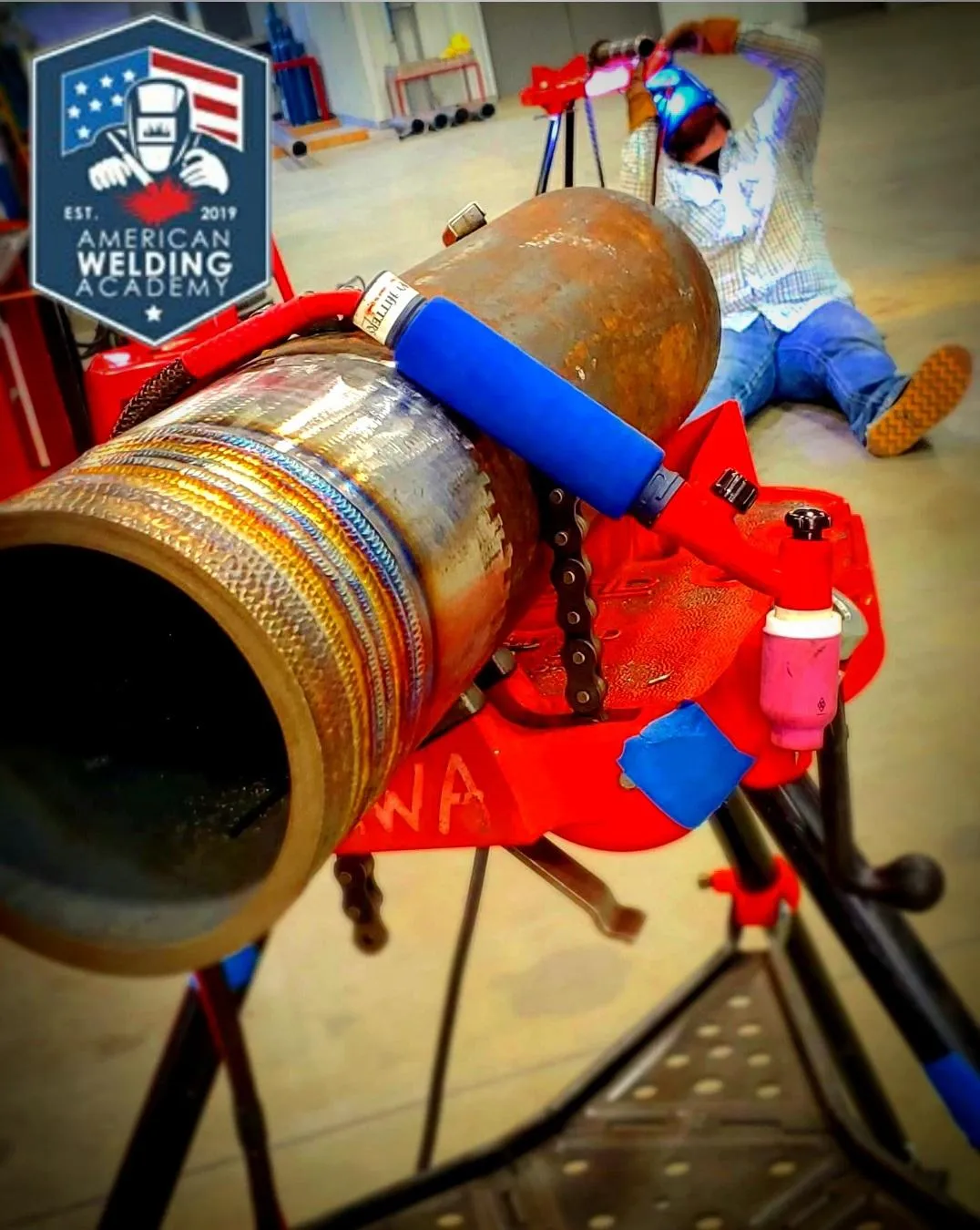
The Welder's Work Ethic: Building Character Through Craftsmanship
Welding often appears as a hands-on technical trade, but those in the field know it demands far more than the ability to run a clean bead. A welder builds their reputation through consistency, accountability, and pride in doing the job right, even when no one is watching. The concept of work ethic sits at the center of this mindset. It shapes how welders approach their craft, interact with coworkers, and respond to challenges on the jobsite. Over time, a strong work ethic transforms technical skill into professional character, producing tradespeople who earn trust and respect across industries.

Discipline and Focus on the Job
Welders develop discipline early, and they reinforce it daily on the job. Focus is important in welding environments, as even minor distractions can lead to mistakes, safety risks, or failed inspections. This makes maintaining concentration while managing heat, position, and timing essential and not optional.
A disciplined welder stays present in the moment, watching the puddle, listening to the arc, and noticing small changes before they become defects. That steady attention is often the difference between a clean pass and a repair that costs time and credibility. Focus also shows up in preparation. Taking the time to properly set up equipment, clean joints, and review procedures demonstrates respect for the task at hand.
Checking consumables, verifying settings, and confirming fit-up reduces surprises that can break rhythm mid-weld. Welders with a strong work ethic understand that rushing leads to rework, while discipline leads to consistency. In practice, preparation protects quality because it removes the avoidable causes of porosity, lack of fusion, poor bead profile, and other common issues.
Discipline also means controlling the work environment instead of letting the environment control the weld. Strong welders manage cables and leads to prevent snags, set their body position to maintain a steady hand, and plan their movement so they don’t fight the joint halfway through. They keep awareness of ventilation, fire hazards, and nearby personnel, because safety and quality usually fail for the same reason: someone stopped paying attention. This level of control makes performance more predictable, especially under pressure or in uncomfortable positions.
Integrity in Your Work Product
Welders with integrity stand behind their work, even when it would be easier not to. This idea applies to being honest about mistakes, refusing to hide defects, and following procedures even under pressure. Welds often operate out of sight, since they work inside pipes, vessels, or structural components, but their impact is significant. A single poor decision can compromise safety or performance.
Welders who value work ethic understand that quality is not about shortcuts or appearances, but rather about meeting specifications and knowing the job was done correctly. This level of honesty builds trust with supervisors, inspectors, and coworkers. Integrity becomes a welder’s calling card, opening doors to better opportunities and long-term employment.
Respect for Materials, Tools, and the Trade
Welders show respect through how they treat their materials, tools, and work environment. Materials are costly and often selected for specific performance requirements. Wasting or mishandling them reflects a lack of care and professionalism. Personal and company-owned tools are all extensions of the welder’s skill. Keeping them clean, calibrated, and properly maintained shows pride in the trade.
This respect extends beyond equipment. It includes respecting safety procedures, jobsite rules, and the contributions of others. Welding is rarely a solo effort. Fitters, inspectors, engineers, and supervisors all play a role. A welder with strong work ethic recognizes this and works collaboratively, understanding that craftsmanship is a shared responsibility.
Personal Pride and Character Built Through Mastery
Developing a strong work ethic does not happen by accident. There is a unique sense of pride that comes from mastering a difficult skill. Welding requires patience and repetition, often pushing students and professionals to confront frustration and self-doubt. Overcoming these challenges builds confidence rooted in effort rather than entitlement. Each improvement, whether in consistency or technique, reinforces the value of persistence.
As American Welding Academy students develop mastery, character follows. They learn accountability, humility, and resilience. They accept feedback without defensiveness and take responsibility for outcomes. This process shapes individuals who are dependable and self-motivated. Craftsmanship and character go hand in hand.

Building careers in welding for over 20 years. Your future starts here.
Programs
Pipe Welding & Fitting
Fabrication Welding
Custom Classes
Programs
Contact Us
Copyright © 2025 All rights reserved The Welding Academy


