Learn. Build. Succeed.
Your Welding Journey Starts Here.
Welcome to the American Welding Academy Blog — your source for welding insights, training tips,
student success stories, and industry news. Stay informed, stay inspired, and keep building your future one weld at a time.
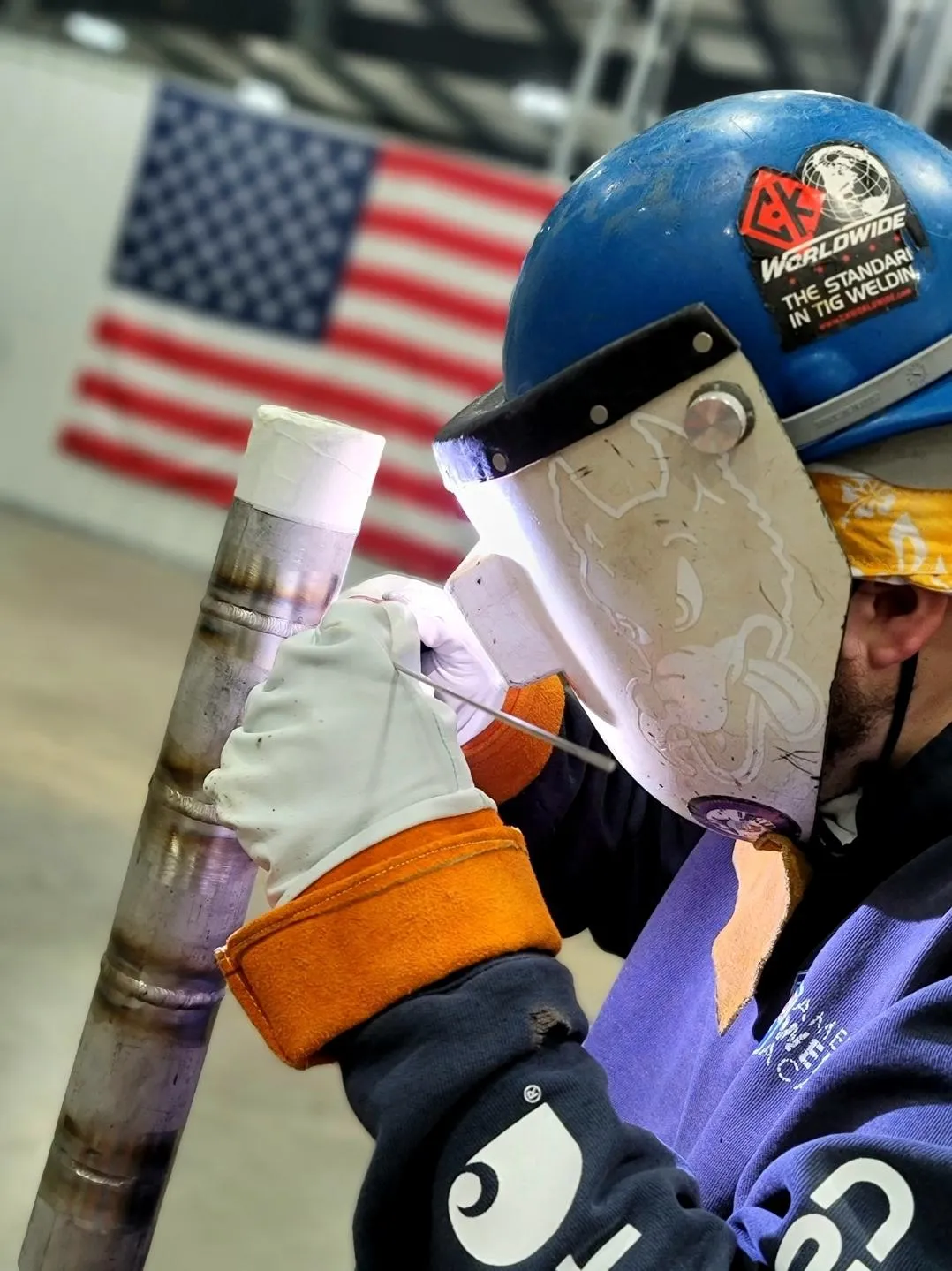
Veteran Benefits 101: Using Your GI Bill® for Welding Training
Transitioning from military service to civilian life comes with big decisions, especially when it comes to career paths. Many veterans are drawn to the skilled trades because they value hands-on work, structure, and clear expectations. Welding training aligns well with these priorities, offering practical skills that translate directly into the workforce. Understanding how GI Bill® benefits apply to welding training can help veterans and their families make informed choices and reduce financial uncertainty during this transition.

How the GI Bill® Covers Welding Training Programs
The GI Bill® can be used for approved welding training programs at eligible trade schools. Coverage typically includes tuition and mandatory fees, allowing veterans to focus on learning without taking on unnecessary debt. Programs must meet VA requirements, which include curriculum standards, instructor qualifications, and reporting obligations.
Different GI Bill® chapters apply depending on service history. The Post-9/11 GI Bill® is the most commonly used and generally offers the most comprehensive coverage. Other options, such as Montgomery GI Bill® benefits, may also apply in certain cases. Veterans should confirm which chapter they qualify for before enrolling, as coverage levels and allowances can vary.
Monthly Stipend, Housing Allowance, and Living Expenses
One of the most valuable aspects of using the GI Bill® for welding training is the monthly stipend. Under the Post-9/11 GI Bill®, eligible students may receive a housing allowance based on the school’s location and training format. This support helps cover rent, utilities, and daily expenses while attending school.
In addition to housing, veterans may receive a stipend for books and supplies. Welding training often requires personal protective equipment and tools, so this benefit can make a meaningful difference. Understanding how and when these payments are issued helps veterans budget responsibly and avoid financial stress during training.
VA Paperwork, Approval, and Transferable Benefits
Using GI Bill® benefits requires completing VA paperwork and working with the school’s certifying official. This process includes submitting enrollment information, verifying attendance, and maintaining satisfactory progress. While the paperwork can feel overwhelming at first, approved schools typically guide students through each step.
Some veterans may also be eligible to transfer unused benefits to dependents. This option can support a spouse or child pursuing education or training. Transfer eligibility depends on service commitments and approval timelines, so early planning is important. Understanding these rules helps families maximize the long-term value of earned benefits.
Post-9/11 GI Bill® Details and Long-Term Planning
The Post-9/11 GI Bill® offers up to 36 months of education benefits, which can be used toward welding training and other approved programs. Benefit percentage is determined by length of qualifying service, with full benefits available to those meeting maximum eligibility requirements.
Veterans should consider how welding training fits into their broader career plan. Using benefits wisely means choosing programs that emphasize skill mastery, code standards, and job readiness. Training quality matters just as much as benefit coverage when preparing for civilian employment.
Planning also includes timeline consideration, which makes questions of program length an important one. While there are course with set modules and learning timeline, custom course fit for specific needs can also be available.
Maximizing GI Bill® Benefits Through Focused Welding Training
Choosing the right welding training program plays a major role in how effectively GI Bill® benefits are used. Programs that prioritize hands-on instruction, small class sizes, and real-world expectations help veterans transition smoothly into the workforce. Structured environments often feel familiar to those with military backgrounds, reinforcing discipline and accountability.
At American Welding Academy, welding training programs are designed to meet VA approval standards while emphasizing skill development and professional conduct. Veterans receive support navigating the GI Bill® process and are held to clear performance expectations. The focus is on earning credentials through demonstrated ability, not simply completing hours.
If you are a veteran exploring welding training options, AWA offers comprehensive programs in welding and fabrication that provide a solid foundation from which you can build your career. Explore our programs, connect with us online, or call (636) 800-9353 to learn more about enrollment, program details, and how we can help you launch your new journey.

Building careers in welding for over 20 years. Your future starts here.
Programs
Pipe Welding & Fitting
Fabrication Welding
Custom Classes
Programs
Contact Us
Copyright © 2025 All rights reserved The Welding Academy


